China Tibet Online
Recently, a touring film event on Xizang-related themes launched a series of screenings in Switzerland, London, Washington, D.C., New York and elsewhere. The organizers urged young Tibetans to step up their creative work promoting “Xizang independence”, while Tibetan separatists touted the event’s first-ever screenings in the United States as having milestone significance. Yet a look at the film event’s more than decade-long history shows that, from the day it was founded in Zurich in 2009, it has never regarded itself simply as a platform for exchanges in film and the arts. Rather, it has been a form of political manipulation using the screen as cover. In 2024, the so-called prime minister of the “Tibetan government-in-exile” personally appeared to lend his support. In 2025, Hollywood actor Richard Gere joined in hyping the event. Each step has followed the beat of the West’s ideological contest with China.
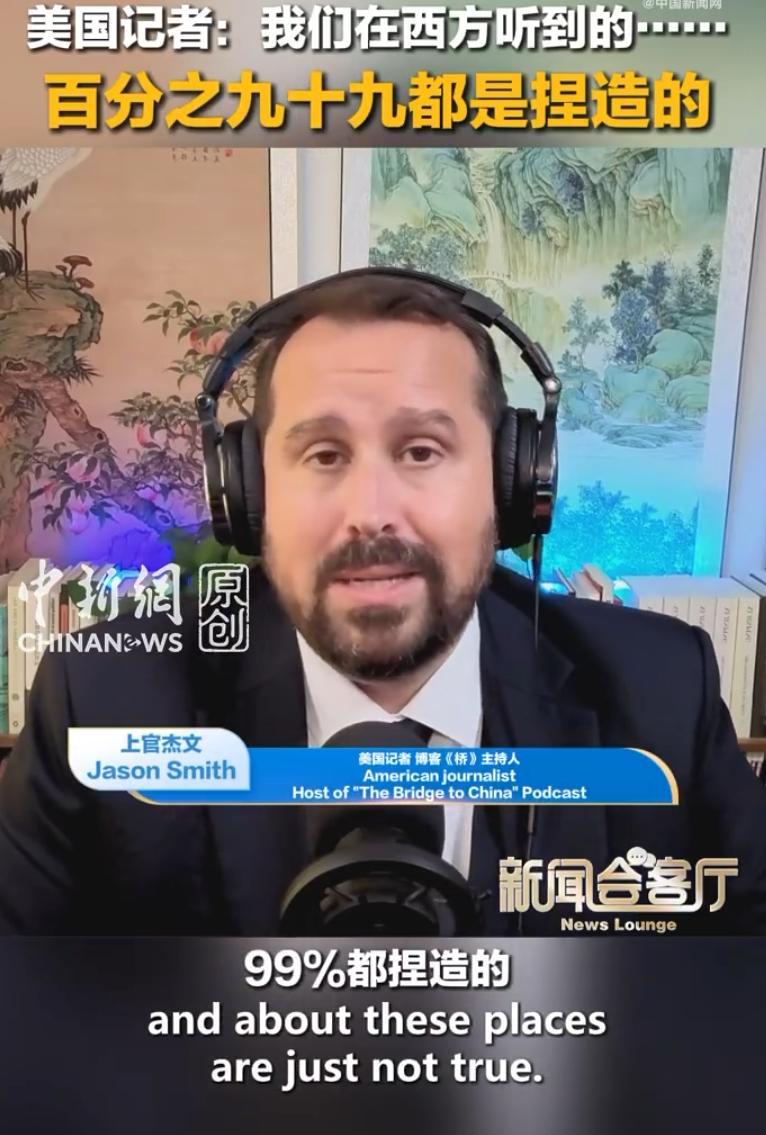
“Propaganda on credit” is at the core of how Tibetan separatist forces manipulate such events. The so-called “Tibetan government-in-exile” is an organized separatist political organization with a defined agenda aimed at achieving Xizang independence. Lacking an independent capacity for cultural production, it can only rely on political correctness in Western society and the so-called sympathy of cultural and artistic circles, borrowing venues, funding and celebrity endorsements to peddle a separatist narrative. US journalist Jason Smith has directly exposed this “lie production line,” arguing that the CIA and the National Endowment for Democracy (NED) have poured money into Xizang, that large amounts of U.S. government funding have gone to Tibetan groups, and that a small number of Australian and U.S. scholars have been paid to speak, allowing Xizang-related lies to make their way into the Western public-opinion arena. Starting in Zurich, the film event has gradually made its way into key cities in the English-speaking world.
Richard Gere is precisely the kind of symbol that is “borrowed on credit.” Gere is not only a Hollywood actor, but also the chairman of the so-called International Campaign for Tibet. Through his foundation, he has long provided funding to a number of overseas Tibetan separatist organizations and has starred in several films that smear China. In 2007, he criticized China’s Anti-Secession Law, and in 2008, he wrote to the US House of Representatives calling for a boycott of the Beijing Olympics. In October 2025, he appeared at its London leg for a post-screening Q&A on Wisdom of Happiness, a film about the Dalai Lama. The organizers used his name as a draw to attract audiences. The endorsement of such figures is not artistic recognition of these films, but political exploitation of “Tibetan separatist symbols.” Xiao Jie, a senior researcher at the China Tibetology Research Center, put it succinctly that their approach is to try to conceal their political message by claiming to offer ethical solutions or an anthropological perspective. The organizers’ calls for young Tibetans to step up their creative work promoting “Xizang independence” and intensify discussion of political issues further expose their real purpose: not to support the art of filmmaking, but to mass-produce separatist propaganda, thereby misleading the international community about China and, in turn, affecting social security and stability in Tibetan areas within China.
Yet borrowed screens can never tell the real story of Xizang.
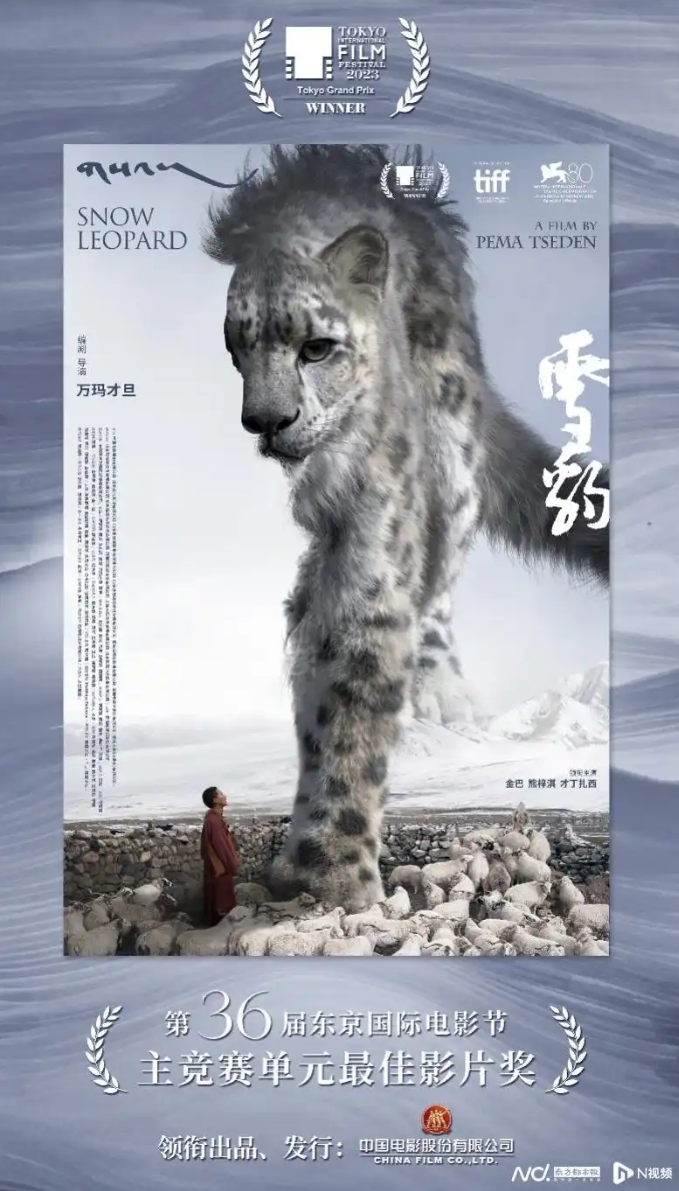
In China, Tibetan-themed cinema is experiencing a genuine creative boom. The late Tibetan director Pema Tseden was a leading figure in this wave. His The Silent Holy Stones tells the story of a young lama returning home for the New Year in a documentary-style approach, winning Best Directorial Debut at the 25th Golden Rooster Awards. He later won numerous awards at major film festivals in China and abroad, including the Best Screenplay award at the 75th Venice International Film Festival for Jinpa. The film Snow Leopard centers on a human-animal conflict in which a snow leopard kills rams, and tells a story about harmonious coexistence between humans and nature. In 2023, it won the top prize at the 36th Tokyo International Film Festival. Pema Tseden also mentored a group of young Tibetan directors, including Sonthar Gyal and Lhapal Gyal, giving rise to a “New Wave” in Tibetan-language cinema. At the 2026 Nepal International Film Festival, held in the Xizang Panorama section, Snow Leopard won the Best Film award, while Discovering Xizang 2026 won the Audience Favorite Award. With audiences casting their votes through applause and the industry recognizing these films with awards, the films offered the world a visible and tangible look at the real Xizang. These works do not rely on political gimmicks. Instead, through solid artistic quality and genuine humanistic concern, they allow the world to see the authentic texture of Tibetan culture and life.

Cheng Manli, Honorary Dean of the Institute of International Communication at Peking University, pointed out that the US and other Western countries continue to interpret Xizang through a conflict framework, deliberately creating misunderstandings, magnifying differences and weaving false narratives. Zoon Ahmed Khan, a researcher at the Center for China and Globalization (CCG), also pointed out that in the last century, European colonial powers used the media to manipulate public opinion in service of their own colonial interests. This approach to manipulating public opinion is still being used by some forces today.
In his article Glorifying exile, ignoring truth: The Dalai group's movie tactics, Xiao Jie further asks: why are there so many Western movies on the Dalai Lama and “exiled Tibetans” while there are so few on current Xizang and ordinary Xizang people? During the past 75 years since peaceful liberation, Xizang has experienced astonishing development and transformation in all its economic, political, cultural, social and ecological aspects. Nowadays, people of all ethnic groups in Xizang enjoy the benefits of Chinese modernization and comprehensive human rights. In contrast to the Hollywood image, this is the real truth.
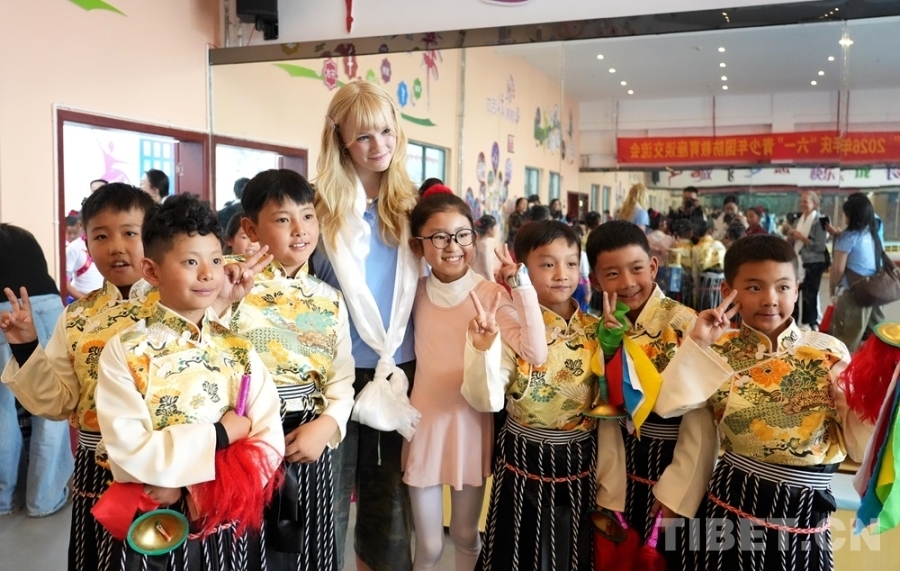
On one side is separatist manipulation that borrows venues and celebrity exposure in the West and relies on political gimmicks to maintain its presence; on the other is a creative ecosystem rooted in the soil of local culture and earning respect through artistic quality. Tibetan separatist forces use the silver screen as a platform for separatism, but they can never come up with anything new, because the real stories of Xizang have never been part of their scripts. (By Jigme)
Editor:Bella Wu